
Guadalmina Baja, San Pedro de Alcantara €2,250,000
Discover the fascinating history of San Pedro de Alcántara, from its agricultural roots to a thriving Marbella community.
· 3 min. read
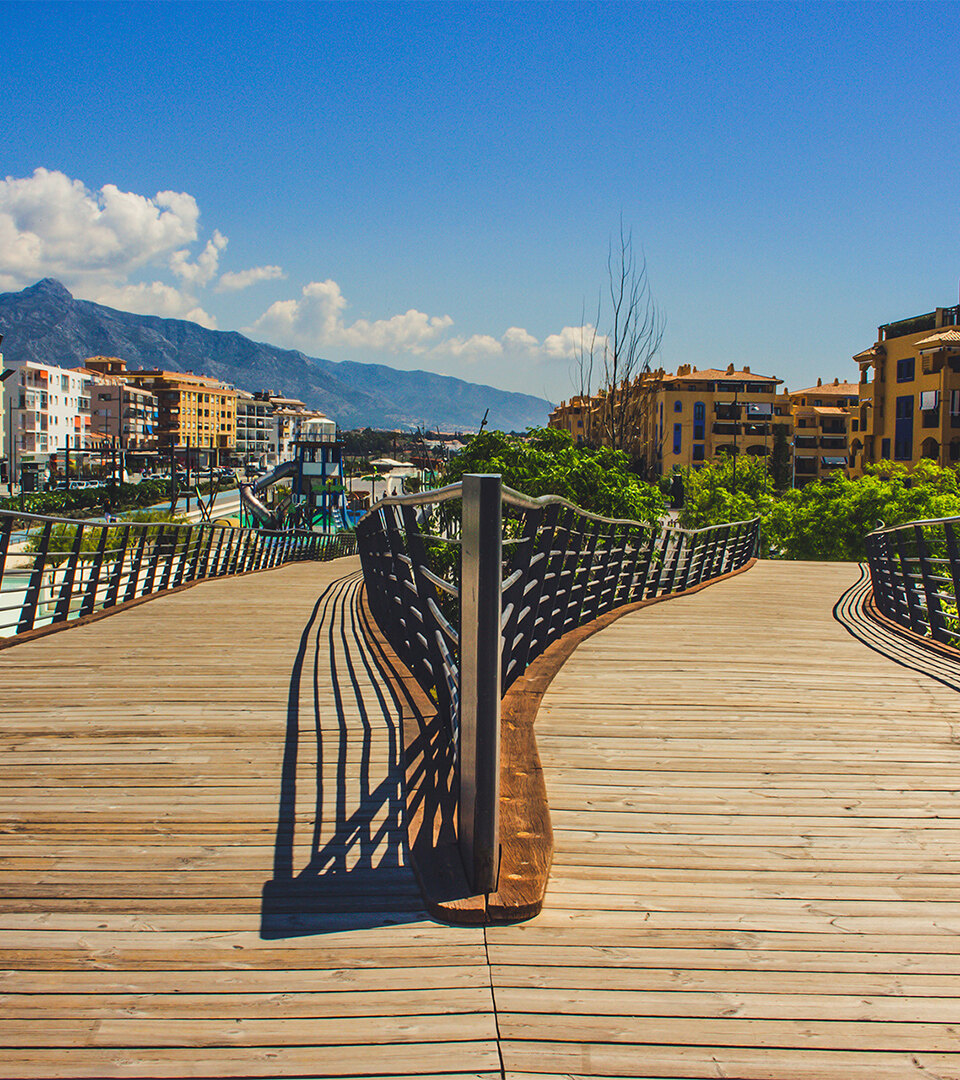
Located just 10 km west of Marbella and 5 km from Puerto Banús, it combines the atmosphere of a traditional Spanish town with the energy of a thriving international community. Its lively centre, established residential neighbourhoods and relaxed coastal lifestyle have made it especially popular with families and year-round residents.

Although San Pedro is now one of Marbella’s most diverse and well-connected areas, its origins are very different from the place we know today. Its story began as a small agricultural settlement, shaped by sugar cane production before gradually evolving through the arrival of tourism, golf and new residential development.
Managing Director, Christopher Clover, looks back at the people and events behind this transformation, from the vision of the Marqués del Duero to the development of the Guadalmina Estate by Norberto Goizueta.
“San Pedro was founded as an agricultural village by a General whose name was Manuel Gutiérrez de la Concha, the Marqués del Duero. For whom the main road running through the city is named.”
Christopher Clover
It had a population of 35 people before 1860, and in 1861/1862 this grew to 535 people - residents who were all workers in the agricultural community, especially in the production of sugar. Sugar cane was the big crop up until well into the twentieth century.
“The transition from an agricultural community to tourism started really with the purchase of the Hacienda Guadalmina, the Guadalmina Estate, by the well-known agronomist from Navarra by the name of Norberto Goizueta. He spotted the sugar cane growing from the Hacienda Guadalmina from his boat in 1933 and he bought it. There were 400 hectares, and he continued buying land east, towards what is today the "El Rodeo" area which forms part of Nueva Andalucía.”
Christopher Clover

“When Norberto Goizueta witnessed the early development of tourism through his close friend Ricardo Soriano, followed by the arrival of Alfonso de Hohenlohe and his father and the creation of the Marbella Club, he decided to transform the Guadalmina Estate into the second golf course in Málaga province.”
The further development of Guadalmina was incredible - the diversity of different residential neighbourhoods and the attractiveness of the San Pedro area for families makes it truly an exceptional part of Marbella itself.”
Discover the elegance of Guadalmina Baja area in Marbella.

San Pedro’s evolution from a community of agricultural workers into a flourishing residential area is an important part of Marbella’s wider history. Yet despite its considerable growth, it has retained a strong local identity and an authentic sense of community that distinguishes it from many other areas along the coast.
Discover our guide to San Pedro de Alcántara.
Today, San Pedro offers an exceptional variety of lifestyles, from the traditional town centre and beachside neighbourhoods to the prestigious residential areas surrounding Guadalmina. It’s probably most popular for its wonderful promenade and boutique beach bars and restaurants. Its broad appeal, excellent amenities and welcoming atmosphere continue to attract both Spanish and international residents.
Beachside properties for sale in San Pedro de Alcantara.

It is this combination of history, diversity and community that makes San Pedro de Alcántara not simply an extension of Marbella, but one of its most distinctive and much-loved areas.
San Pedro was founded in the mid-19th century as an agricultural settlement. Its population grew rapidly from just 35 inhabitants before 1860 to more than 500 by 1861–1862.
Was founded by General Manuel Gutiérrez de la Concha, the Marqués del Duero, who established an agricultural colony in the area.
Sugar cane was one of San Pedro’s principal crops and played a central role in its early economy. Many of the settlement’s first residents worked in its cultivation and production, which continued well into the 20th century.
Christopher Clover describes San Pedro’s transformation as a gradual evolution from an agricultural community into a thriving tourism and residential destination. He highlights the development of the Guadalmina Estate, its golf course and its diverse neighbourhoods as key milestones in this change.


Ensures smooth operations at Panorama with unmatched organisation and enthusiasm.