Like what you read?
Subscribe to our newsletter for engaging articles, exclusive content, and the latest updates.
Why spring is the ultimate season for exploring Marbella’s “backyard” mountains and wildflower trails.
· 5 min. read
Just 25 minutes inland, Istán feels like a different world. This small white village sits at the gateway to the Sierra de las Nieves mountains, where trails climb through pine forest, almond groves and old irrigation channels that once carried water from the mountains to the valley.

Spring is when this landscape feels most alive. After the winter rains, streams flow in abundance down the hillsides into the Embalse de la Concepción reservoir beneath the mountains.
Water has always shaped life in Istán, and you can still see this heritage in the Nacimiento del Río Molinos, a historic spring in the village where fresh mountain water flows continuously. From here, several walking routes lead out into the surrounding hills.
One of the most popular routes from here leads to Charco del Canalón, a natural pool and waterfall hidden along the Río Verde. The path winds through forest before opening to the cascade, which flows strongest in spring when rainfall and snowmelt feed the river. It’s an easy, rewarding hike and a favourite local escape.
Most people know La Concha for its iconic shape on Marbella’s skyline, but the quieter side of the Sierra Blanca begins behind it at the Refugio de Juanar.
Instead of tackling the steep climb to the summit of La Concha which sits at 1,215 metres, the Mirador del Corzo trail offers one of the most satisfying hikes in the same area, taking half the time. The path winds through cork oak and pine forest before suddenly opening onto a dramatic viewpoint above the coast.

On clear spring days, the views from the viewpoint stretch far beyond Marbella across the Strait of Gibraltar, with the Rif Mountains of Morocco visible on the horizon.
Benahavís may be famous for its restaurants, but the surrounding landscape is what makes it a dramatic destination, defined by limestone canyons carved by the Guadalmina River.
The well-known Benahavís river walk follows the Guadalmina river through a gorge of rock formations and natural pools. Many parts of this route require swimming, and being continuously submerged in the river as you’re walking down its riverbed. Year round, the water remains crystal clear and shockingly cold, so most people save this excursion for the hotter months, or wear wetsuits.

Another of Benahavis’ rewarding routes leads to Monte Mayor, a much warmer choice for spring, which takes you up to the 580 metre peak of the mountain ridge above the village where the ruins of Monte Mayor Castle still remain on the summit.
The hike climbs steeply through Mediterranean scrub and pine woodland before opening onto sweeping views across the valleys of Benahavís and the coastline beyond. From the castle ruins, the panorama stretches across 150 kilometers of Costa del Sol and inland mountains, making it one of the most impressive viewpoints in the area.
Beyond the trails, our guide to Benahavís explores the municipality’s village life, gated communities and property market.

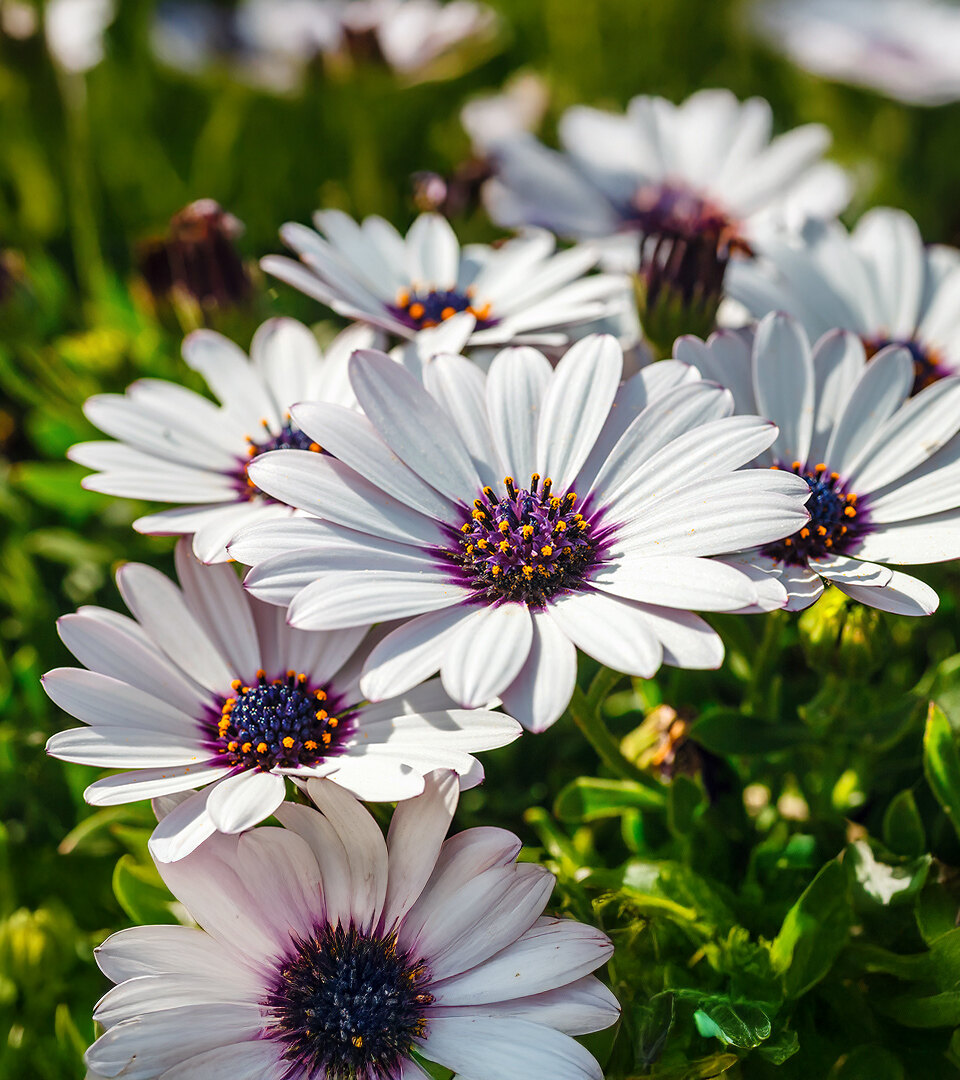
Spring brings wildflowers across the scrubland and the air carries the scent of herbs like rosemary and thyme. The trails feel rugged and remote, yet the Golden Mile is only a short drive away.
If you want something that feels more alpine, head around an hour inland to the Sierra de las Nieves National Park, one of Andalucía’s most remarkable protected landscapes.
Designated both a National Park and UNESCO Biosphere Reserve, the area is home to the rare Spanish fir (Pinsapo) forests that grow only in a handful of places in southern Spain.
Ambitious hikers often set their sights on La Torrecilla, a mountain peak which rises to 1,919 metres, making it one of the highest in Málaga province.

The park is also home to some remarkable natural landmarks, including the 26 metre tall Pinsapo de las Escaleretas, a monumental Spanish fir estimated to be around 500 years old, and the legendary 23 metre tall Castaño Santo, an ancient chestnut tree believed to be close to 1,000 years old, whose canopy stretches over 500 square metres. Both are striking reminders of the long natural history of these mountains.

Routes through the park vary from gentle forest walks to full-day mountain hikes, all made far more enjoyable in the cool air of March and April than under the intense heat of mid-summer.
Spring is the season when the Costa del Sol feels at its most balanced.
The mountains are lush after winter rain, wildflowers are blooming, and the air is clear enough to see across the Mediterranean most days of the week. It’s even possible to ski in Sierra Nevada in the morning and be back in Marbella for dinner by the sea.
The mountains aren’t just a backdrop here, they’re part of the lifestyle appeal. And in spring, they’re at their absolute best.

From waterfalls and wildflower valleys to panoramic mountain views, spring reveals another side of life in Marbella.
Subscribe to our newsletter for engaging articles, exclusive content, and the latest updates.

A visionary in PR and real estate, shaping Marbella’s success and legacy.

Marina Puente Romano, Marbella Golden Mile
Located in the prestigious Marina Puente Romano complex, in one of the most exclusive locations along Marbella’s entire Golden Mile, this exceptional three-bedroom apartment offers an extraordinary combination of contemporary elegance, refined comfort and timeless...
€4,295,000
Nueva Andalucia, Marbella
Villa Blanc is a refined modern Mediterranean residence set in a peaceful and private area of Nueva Andalucía. Positioned on a generous double plot with a southwest orientation, the property enjoys excellent natural light throughout...
€3,495,000
Imara, Marbella Golden Mile
Impressive three-bedroom apartment located in Imara, one of the most exclusive and established residential developments in Sierra Blanca, Marbella. An elegant and spacious property combining privacy, comfort and a privileged location just minutes from the...
€1,995,000