Like what you read?
Subscribe to our newsletter for engaging articles, exclusive content, and the latest updates.
Málaga named among world´s most walkable cities. What it means for property buyers.
· 5 min. read
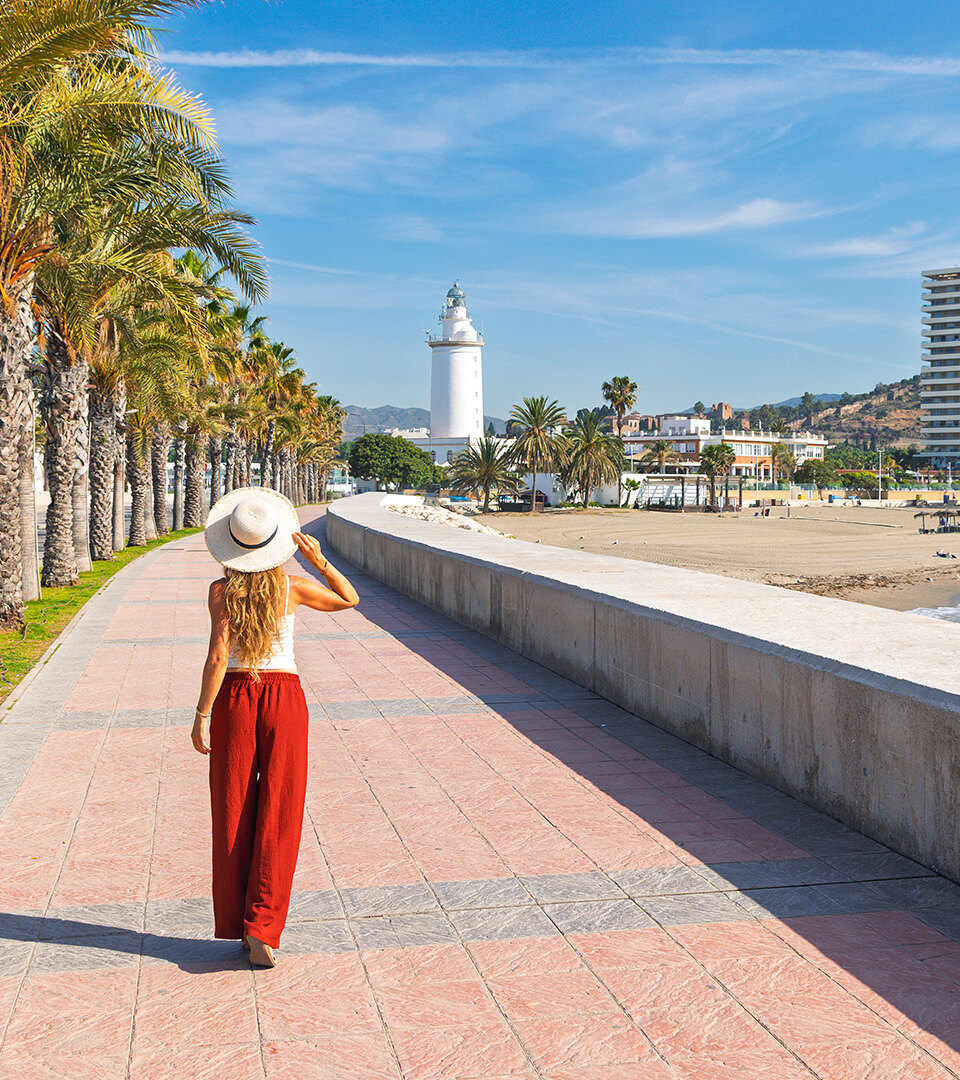
This is attracting attention far beyond the tourism sector. As international buyers increasingly prioritise lifestyle, convenience and wellbeing when choosing where to live, walkability has emerged as a key factor influencing both residential demand and long-term property value.
The latest GuruWalk ranking of the world's best cities to explore on foot highlights this trend perfectly. Spain placed with an impressive 19 cities in the global Top 100, including Málaga. Also nominated were Madrid, Barcelona and Seville. The ranking, based on more than 467,000 verified traveller reviews across 800 destinations, was also highlighted by Forbes.
Unlike other ranking entities, the Best 100 Walking Cities is created from objective data from real activity on GuruWalks from April 2025 to April 2026. The results provide a reliable insight into global walking trends.
While Málaga's inclusion has generated headlines, the wider story is perhaps even more significant for the Costa del Sol. The same qualities that make Spanish cities attractive to pedestrians are increasingly shaping the way people choose where to live, work and invest.

The appeal of the world's most walkable cities extends beyond tourism. For today's homebuyers, especially international purchasers relocating from major urban centres, the ability to walk to restaurants, cafés, beaches, shops and everyday amenities has become a major lifestyle consideration.
You might find this interesting: Marbella’s Michelin-Star Restaurants.
Walkable neighbourhoods offer a level of convenience that is increasingly difficult to find in many modern cities. They encourage healthier lifestyles, reduce dependence on cars and create a stronger sense of connection between residents and their surroundings.
Across Spain, urban planners and local authorities have recognised this shift. Investments in pedestrian-friendly infrastructure, public spaces and accessible waterfronts are helping towns and cities become more attractive places to live while simultaneously supporting tourism and economic growth.

Subscribe to our newsletter for engaging articles, exclusive content, and the latest updates.
Marbella has long been synonymous with its stunning beaches, picturesque natural landscapes, and the charm of the Mediterranean lifestyle. In recent times, however, Marbella and its surrounding areas are experiencing a fresh surge of infrastructure investments aimed at enhancing the quality of life for both residents and visitors.
Take a look at: Marbella’s unique geography is a lifestyle advantage.
One of the most notable recent projects is Marbella's new riverside walkway connecting Nueva Andalucía and Puerto Banús. The 1.5-kilometre landscaped pedestrian route follows the Benabolá stream, creating a safe and attractive alternative to busy roads while allowing residents to move between two of Marbella's most desirable areas on foot. The project has transformed an underused space into a green corridor designed specifically for walking, recreation and outdoor enjoyment.
Projects like this hold importance that goes well beyond infrastructure. They foster stronger ties between neighbourhoods, promote active outdoor lifestyles, and simplify daily routines for residents.
Marbella has also invested heavily in improving its coastal accessibility. In preparation for the summer season, the municipality recently renovated more than 1,000 metres of beach walkways across multiple locations, widening pedestrian access routes and enhancing mobility for residents, visitors, families and people with reduced mobility. Works included replacing older surfaces, improving drainage systems and ensuring routes are safer. The upgraded walkways provide easier access to some of Marbella's most popular beaches while improving the overall experience of moving along the coastline.
Additionally, rising investment in the area is driving improvements in local infrastructure. In Marbella East, several hospitality developments are further strengthening the appeal of this prime location by attracting additional capital.
Read more about Marbella East sees renewed wave of luxury resort investment.
For many prospective buyers exploring Marbella and the Costa del Sol, the lifestyle perks of walkability are becoming as essential as the features of the properties themselves. Neighbourhoods where residents can easily stroll to restaurants, beach clubs, supermarkets, sports facilities, and schools rank among the most desirable locations on the market. The ability to leave the car behind and embrace a walkable lifestyle adds immense value to daily living and enhances overall quality of life.
Popular areas such as Puerto Banús, Nueva Andalucía, the Marbella Golden Mile, and Marbella Centre consistently appeal to buyers, thanks in large part to their excellent connectivity. From morning walks along the waterfront to dining within walking distance, accessing nearby services, and enjoying leisure activities without extended travel times, these areas offer a lifestyle that many find irresistible.
Find out what it’s like to live in Puerto Banús.
For residents residing in more mountainous areas, and buyers looking outside of the busy coast, investment in infrastructure is also safeguarded. At the start of the year, a key project on the Costa del Sol was successfully completed; a €4.7 million upgrade to the Marbella-Istán road. The A-7176 is the road connecting Marbella to the mountain village Istán and is used by more than 2,000 vehicles every day. The route is also extremely popular with cyclists, and the upgrade was designed to accommodate this in the construction.
Read more about the Marbella–Istán road upgrade.
Marbella's ongoing efforts to enhance public spaces, pedestrian pathways, and infrastructure are expected to further boost the appeal of its interconnected neighbourhoods.
Initiatives aimed at improving accessibility between residential zones, beaches, shopping areas, and recreational facilities significantly enrich daily life while also elevating the long-term value of nearby properties. For buyers seeking opportunities that extend beyond temporary market fluctuations, such urban developments often signal a commitment to the region's sustained growth and future potential.

Ensures smooth operations at Panorama with unmatched organisation and enthusiasm.